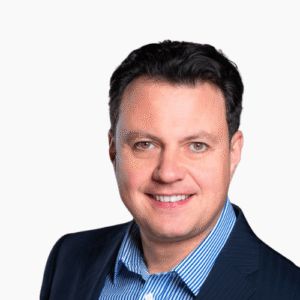
Alexander Shtilbans
Director of Movement Disorder Program, HSS, Hospital for Special Surgery; Assistant Professor of Neurology Cornell University
Seminars
Wednesday 4th February 2026
Panel Discussion: From Proteinopathies to Pathways: The Next Wave of Disease-Modifying Therapies in AD & PD – Beyond Aβ, Tau & α-Synuclein
8:30 am
- How do we move beyond targeting amyloid, tau, and α-synuclein to intervene earlier in the disease cascade through pathways like neuroinflammation, lysosomal dysfunction, and mitochondrial stress?
- What evidence is now required to prove disease modification in the clinic, and how can diagnostic, target-engagement, and progression biomarkers be aligned to make this measurable and regulatory-credible?
- Where does precision neurology realistically stand today, and how far can patient subtyping and enrichment strategies go before regulatory and operational constraints take over?
- When do combination and mixed-modality approaches outperform single mechanisms, and how can they be designed to deliver more durable, scalable disease-modifying impact?
Wednesday 4th February 2026
Combining Therapeutic Strategies in Parkinson’s Disease: Enhancing Efficacy Through Multi-Target Approaches
1:30 pm
- Targeting multiple pathogenic mechanisms simultaneously, including mitochondrial dysfunction, oxidative stress, and protein aggregation to slow neurodegeneration more effectively than single-agent approaches
- Combining neuroprotective agents in rational, mechanistically complementary regimens, creating synergistic effects against converging pathways of PD pathology to increase the likelihood of achieving true disease modification
- Leveraging preclinical and translational models to evaluate multi-target strategies, optimizing combinations before clinical trials to accelerate the development of effective therapies